
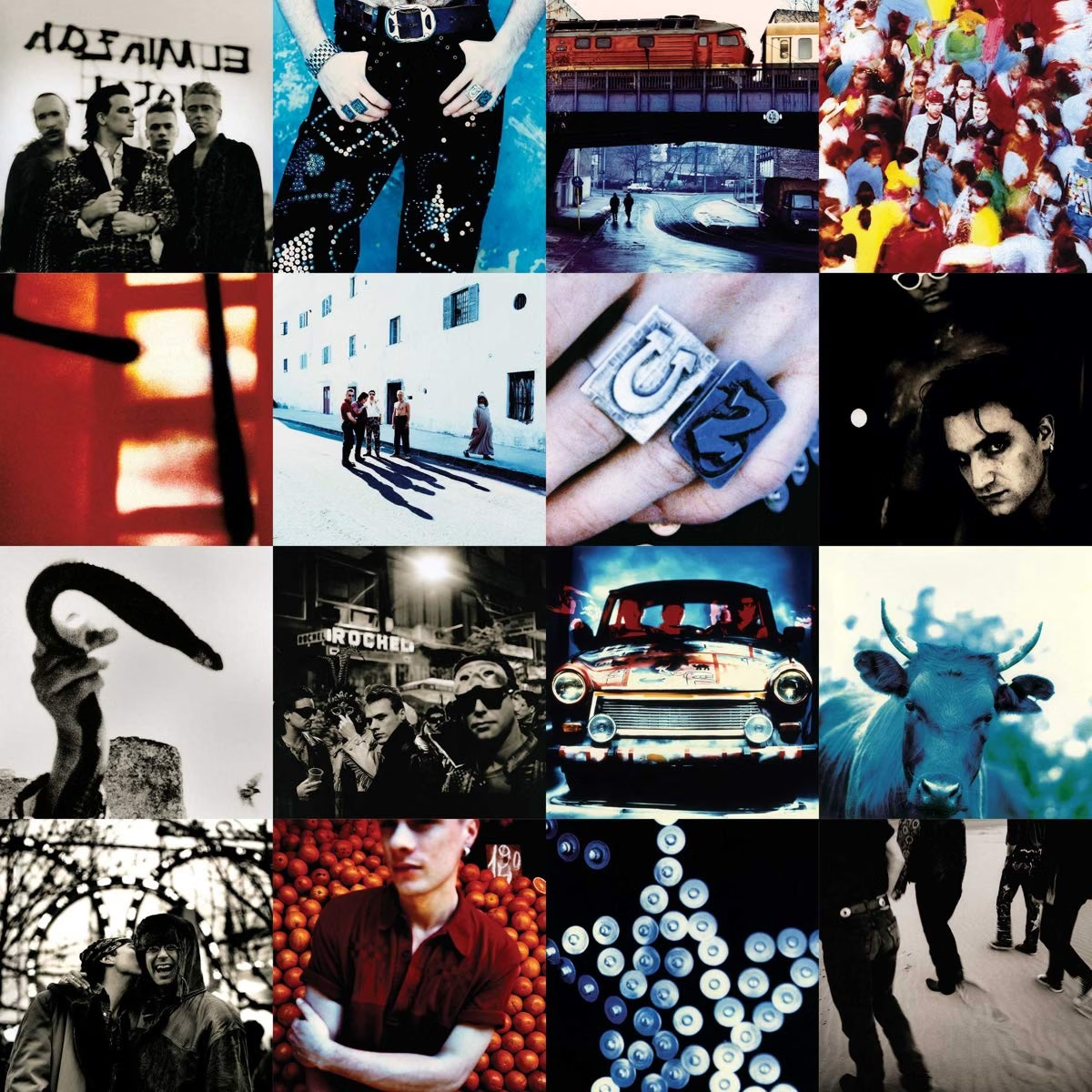
“Zoo Station” is a strange way to open a U2 album. The drums sound distorted, the guitar arrives in broken, buzzing bursts, and Bono’s voice is nearly buried beneath the effects. For a band associated with enormous guitar sounds and earnest declarations, it must have caught a few listeners off guard in 1991. Then the rhythm settles in, and underneath all the electronic noise, it’s still unmistakably U2. They’ve just made themselves considerably harder to recognize.
Released November 18, 1991, through Island Records, Achtung Baby followed the roots-rock excursions of Rattle and Hum. Recorded in Berlin and Dublin with producers Daniel Lanois and Brian Eno, the album introduced industrial textures, dance rhythms, and heavily distorted guitars. But changing the instrumentation was only part of what U2 was doing. Could the band leave some of its familiar seriousness behind without sacrificing the emotional pull of its songs?
“The Fly” offers an early answer. Adam Clayton’s bass drives the song beneath The Edge’s abrasive guitar, while Larry Mullen Jr. keeps the rhythm tight and almost mechanical. Bono alternates between a low-register delivery and falsetto, singing cynical observations about love, dishonesty, and human behaviour. It’s a long way from the earnestness of The Joshua Tree, although the band’s instinct for a memorable chorus remains.
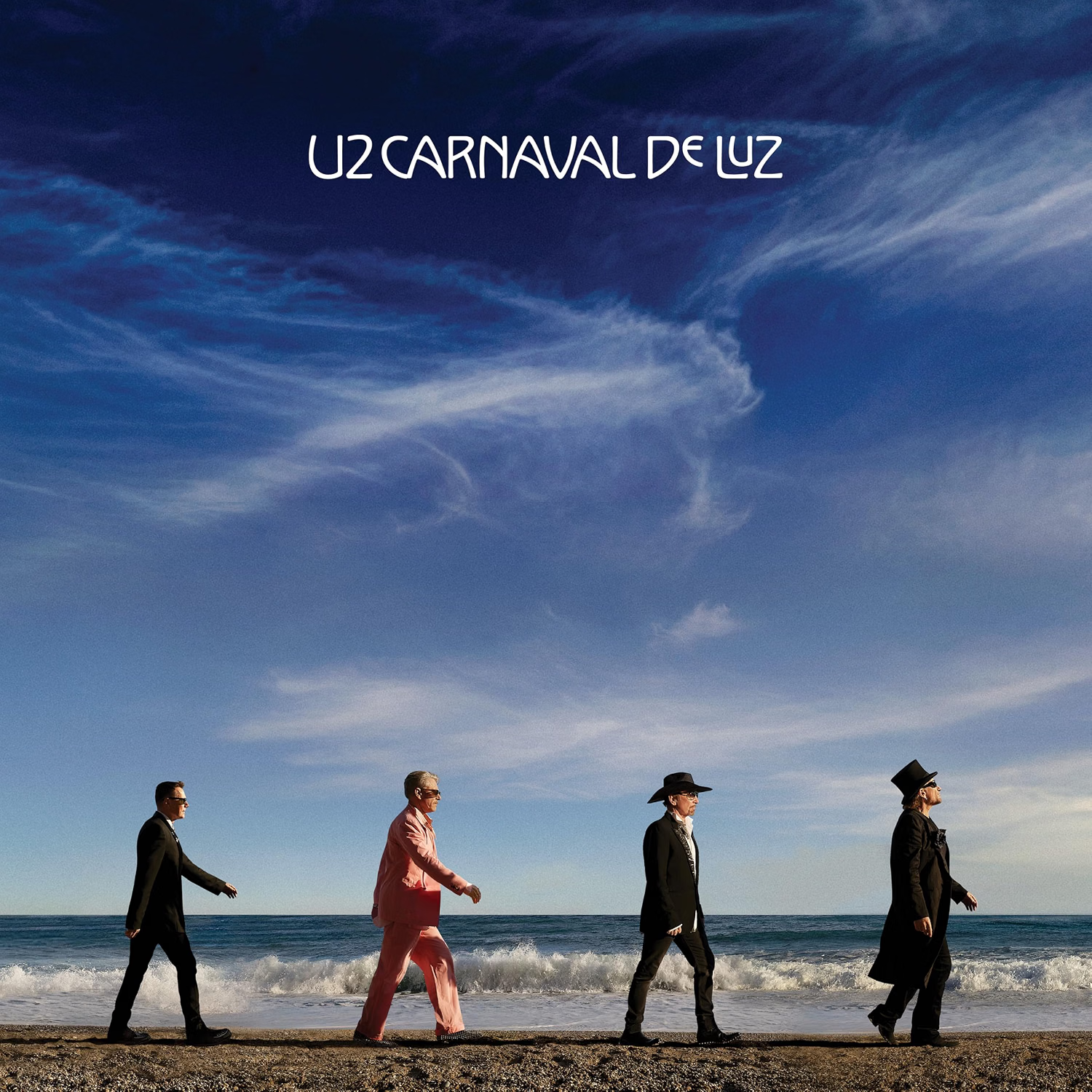
“Mysterious Ways” pushes the rhythmic experimentation further. Clayton’s bass line has a pronounced funk influence, and The Edge works around it with clipped, effects-heavy guitar. Mullen’s drumming keeps everything grounded without flattening the groove. There’s a playfulness to the arrangement that U2 hadn’t explored much on its previous records. The musicians sound comfortable letting the rhythm do more of the work. That playful approach would surface again decades later on Carnaval De Luz.
Some of the album’s strongest moments are considerably quieter. “One” places Bono’s vulnerable vocal against a relatively simple guitar arrangement, allowing the melody and uneasy lyrics to provide the emotional punch. “So Cruel” uses sparse piano and a restrained electronic rhythm to examine another relationship falling apart. Neither song needs an enormous guitar climax to get its point across.
Troubled relationships appear throughout Achtung Baby, often with an uncomfortable edge. “Until the End of the World” pairs a driving guitar riff with lyrics presented as a conversation between Judas and Jesus. Bono turns familiar religious imagery into something accusatory and occasionally playful. “Who’s Gonna Ride Your Wild Horses” is more conventional, with a sweeping chorus and romantic drama that wouldn’t sound entirely out of place on an earlier U2 album. Its crowded production, however, occasionally gets in the way of the melody.
The album becomes increasingly unsettled toward the end. “Ultraviolet (Light My Way)” combines a forceful rhythm with one of Bono’s more desperate performances, while “Acrobat” introduces jagged guitar work and an unusually agitated vocal. Mullen’s restless drumming adds to the song’s nervous character. There’s very little comfort in the arrangement, which suits lyrics concerned with contradiction and personal failure.
“Love Is Blindness” closes the record with a slow organ figure, sparse percussion, and a guitar solo that sounds almost painfully strained. The Edge bends and sustains notes until they begin to break apart. After the swagger and rhythmic experimentation heard earlier, the album finishes somewhere considerably darker.
The experimentation doesn’t always pay off. “Tryin’ to Throw Your Arms Around the World” drifts along pleasantly without leaving much behind, and the dense production occasionally makes individual instruments difficult to distinguish. Bono hasn’t entirely abandoned his fondness for oversized declarations, either. He’s simply found some less trustworthy characters to deliver them.
Could U2 change its sound without losing the emotional connection that made its music work? Achtung Baby succeeds because the changes reach beyond guitar effects and electronic rhythms. The songs deal with jealousy, betrayal, uncertainty, and people making a mess of their relationships. Bono sounds less sure of himself, and the band gives those uncomfortable emotions music that’s just as unpredictable. U2 was still capable of writing enormous songs. On Achtung Baby, it finally allowed some of them to get ugly.
Written by Rob Joncas for DeadNoteMedia.
© 2026 DeadNoteMedia. All rights reserved.


Leave a Reply