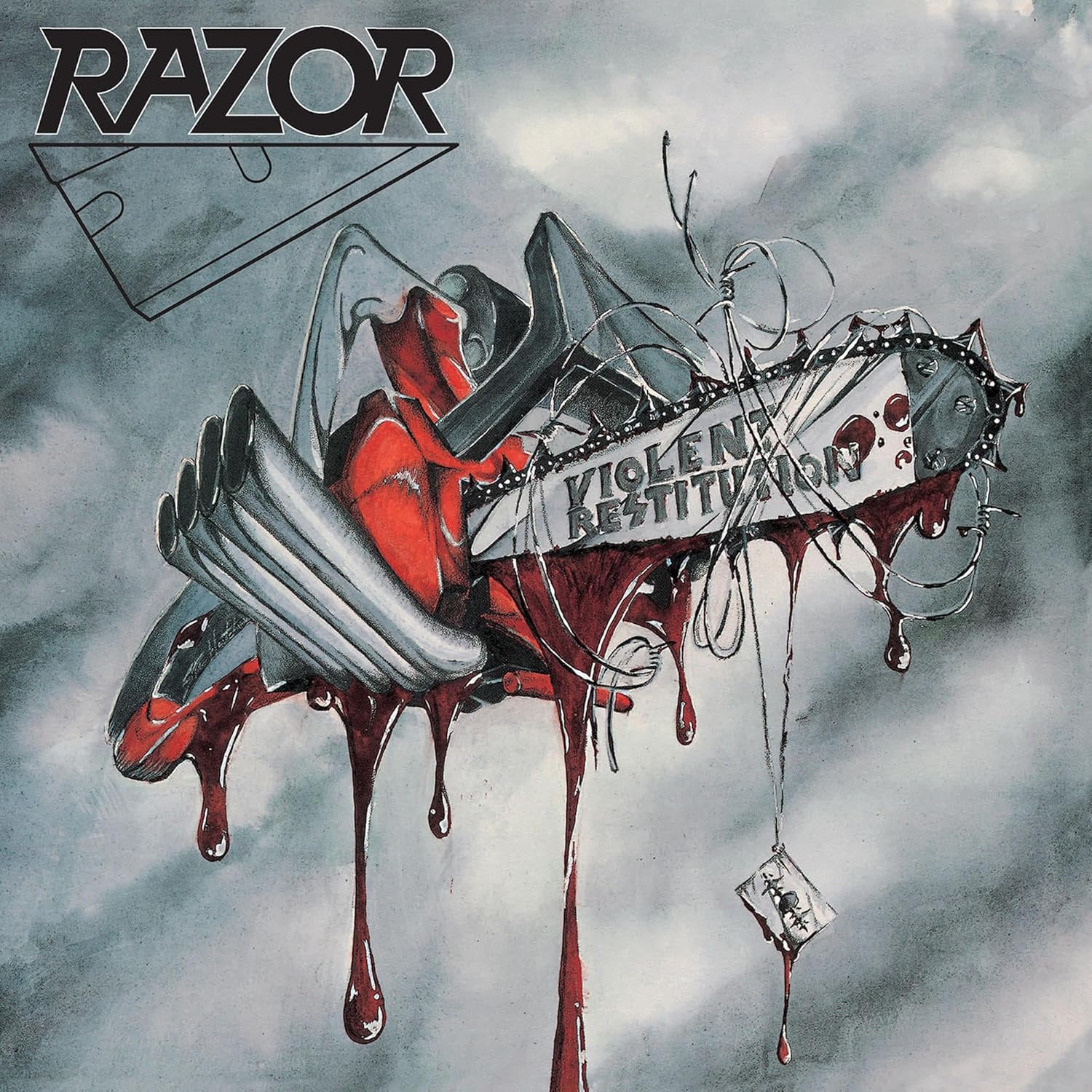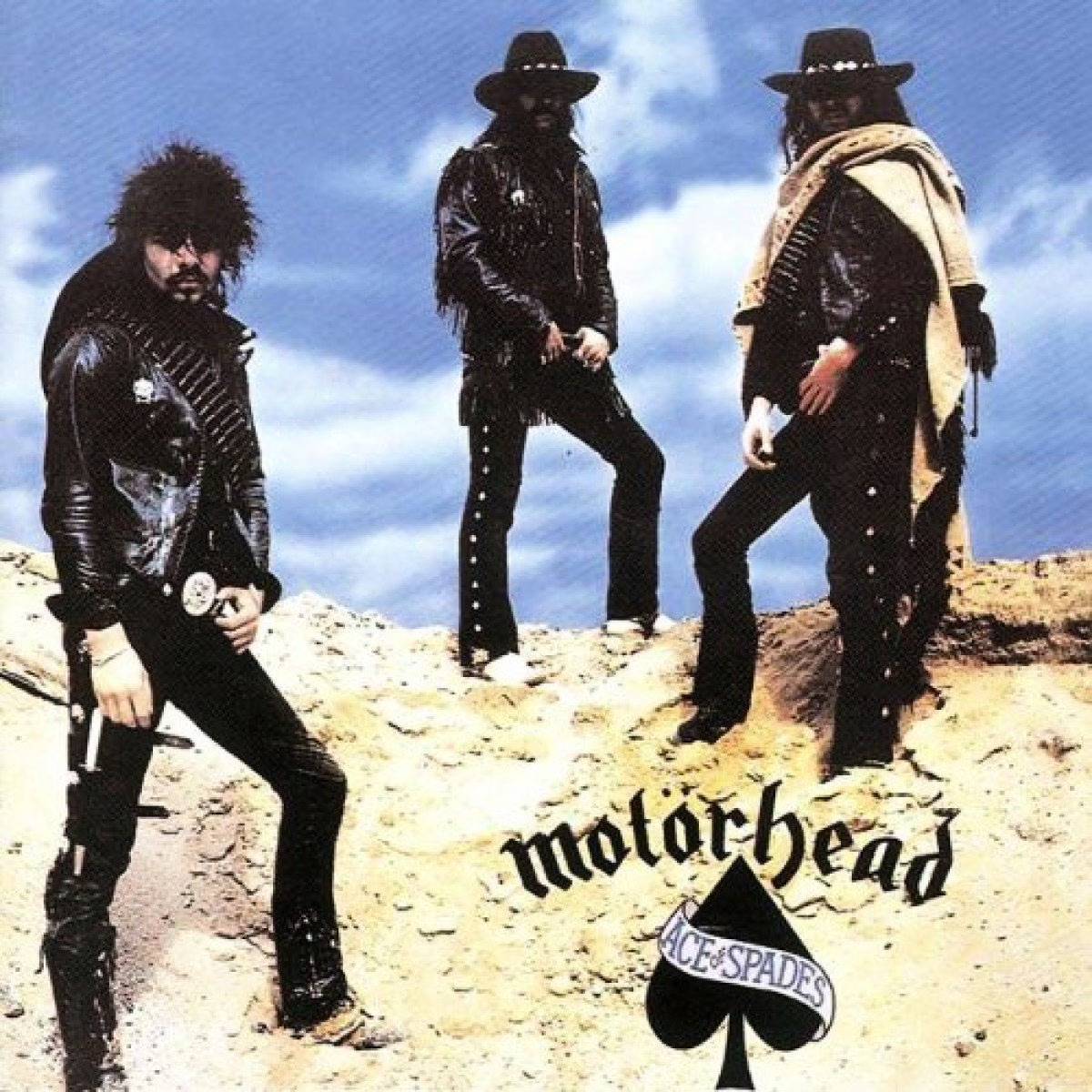
Quiet Riot reached No. 1 in America with Metal Health. Def Leppard took Pyromania to No. 2, while Metallica released Kill ‘Em All and waited nearly six years for its first American gold certification. All three albums arrived in 1983, but their commercial fortunes couldn’t have been more different.
What made metal such a powerful commercial force that year, and why did some of its most influential records take much longer to find an audience?
For Metal by the Numbers, we’re examining albums released in 1983 through chart positions and documented certifications. The distinction between immediate success and sales accumulated over decades is particularly important here.
Def Leppard’s Pyromania became the biggest documented American commercial success among the albums examined. Its US certification reached ten-times platinum in July 2004, representing ten million qualifying units. Canada also recognized the album at the 700,000-unit level in 1991.
The music explains much of its appeal. “Photograph” moves from short guitar phrases into a chorus that gives Joe Elliott room to carry the melody. “Rock of Ages” builds around a commanding beat and vocal responses that invite participation. Producer Robert John “Mutt” Lange keeps the instruments distinct, allowing the songs to sound massive without becoming cluttered.
Radio and MTV helped carry Pyromania to American audiences, although its reception varied across markets. The album peaked at No. 18 in Britain, a reminder that even a major commercial breakthrough could look different from one country to another.
Quiet Riot’s Metal Health achieved something Def Leppard couldn’t: the top position on the American album chart.
Their version of Slade’s “Cum On Feel the Noize” pairs Kevin DuBrow’s ragged vocals with an enormous chorus. The title track follows a similar approach, combining a blunt guitar riff with a refrain designed to be shouted back.
Metal Health reached No. 1 in November 1983. Its eventual six-times-platinum American certification arrived in 1995, while Canadian triple platinum in February 1984 shows how quickly the album found an audience outside the United States.
Quiet Riot hadn’t invented accessible heavy metal. They demonstrated how far a record could travel when its choruses reached listeners who might not otherwise have bought a metal album.
Mötley Crüe brought a more confrontational image to that growing audience. On Shout at the Devil, “Looks That Kill” uses a clipped, repeating guitar figure that makes the song recognizable almost immediately. The title track reduces its chorus to a command, while the band’s makeup and occult imagery provided a visual identity suited to television.
The album eventually earned four-times-platinum certification in America in May 1997. Its commercial life extended well beyond the initial attention surrounding the band.
Ozzy Osbourne already had an established audience when Bark at the Moon arrived late in 1983. New guitarist Jake E. Lee brought rapid, tightly controlled guitar work to the title track, while Ozzy’s werewolf-themed video offered MTV viewers something equally memorable.
The record reached triple platinum in the United States in July 2000. Ozzy didn’t need to introduce himself to metal fans, but he was finding new ways to remain visible as the genre expanded.
Other significant releases followed different commercial paths. Iron Maiden’s Piece of Mind and Dio’s Holy Diver also helped define 1983, demonstrating that metal’s growth extended beyond the artists receiving the greatest American mainstream exposure.
Metallica’s Kill ‘Em All was further removed from that commercial approach.
“Whiplash” puts speed and relentless picking at the forefront, while “Seek & Destroy” offers a broader riff and a shouted refrain audiences could latch onto. The hooks were there, but the music demanded something different from listeners than the polished choruses dominating radio.
The album didn’t receive its first American gold certification until May 1989. It eventually reached four-times platinum in May 2025, under certification rules that include eligible streaming equivalents. That milestone shouldn’t be mistaken for four million physical copies sold in 1983.
By the end of 1983, metal had reached a level of American commercial success that would have seemed unlikely only a few years earlier. Quiet Riot topped the chart, Def Leppard became a major seller, and Mötley Crüe and Ozzy Osbourne found success through their own combinations of heavy music and visual spectacle.
Metallica was building an audience on different terms. Kill ‘Em All didn’t deliver an immediate mainstream breakthrough, but its influence and commercial reach would grow considerably in the years ahead.
The numbers reveal two developments happening at once. Metal was breaking into the mainstream, while a faster, heavier underground was establishing itself alongside it.
The two wouldn’t remain separate forever.
About the numbers: This series examines albums by original release year, using documented certifications and chart performance. Certifications reflect cumulative milestones rather than sales within a single year. Standards and reporting practices vary by country, so these comparisons should not be treated as definitive worldwide sales rankings.
Written by Rob Joncas for DeadNoteMedia.
© 2026 DeadNoteMedia. All rights reserved.